

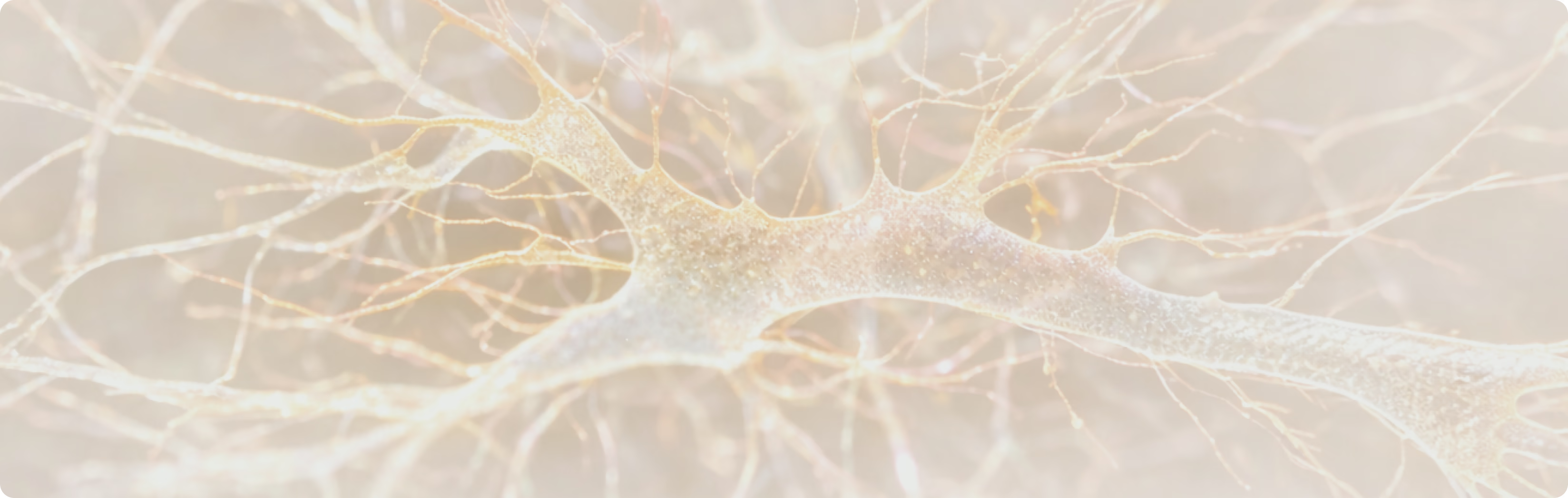
The vagus nerve system is the primary communication highway between your brain and your body. It constantly sends and receives signals that help regulate how you respond to stress—and how you return to calm.
As a central part of the parasympathetic nervous system, the vagus nerve supports what is often called the body’s “rest and digest” mode. When this system is functioning well, it allows the body to slow down, recover, and restore balance after physical or emotional strain.
A nerve that connects almost everything
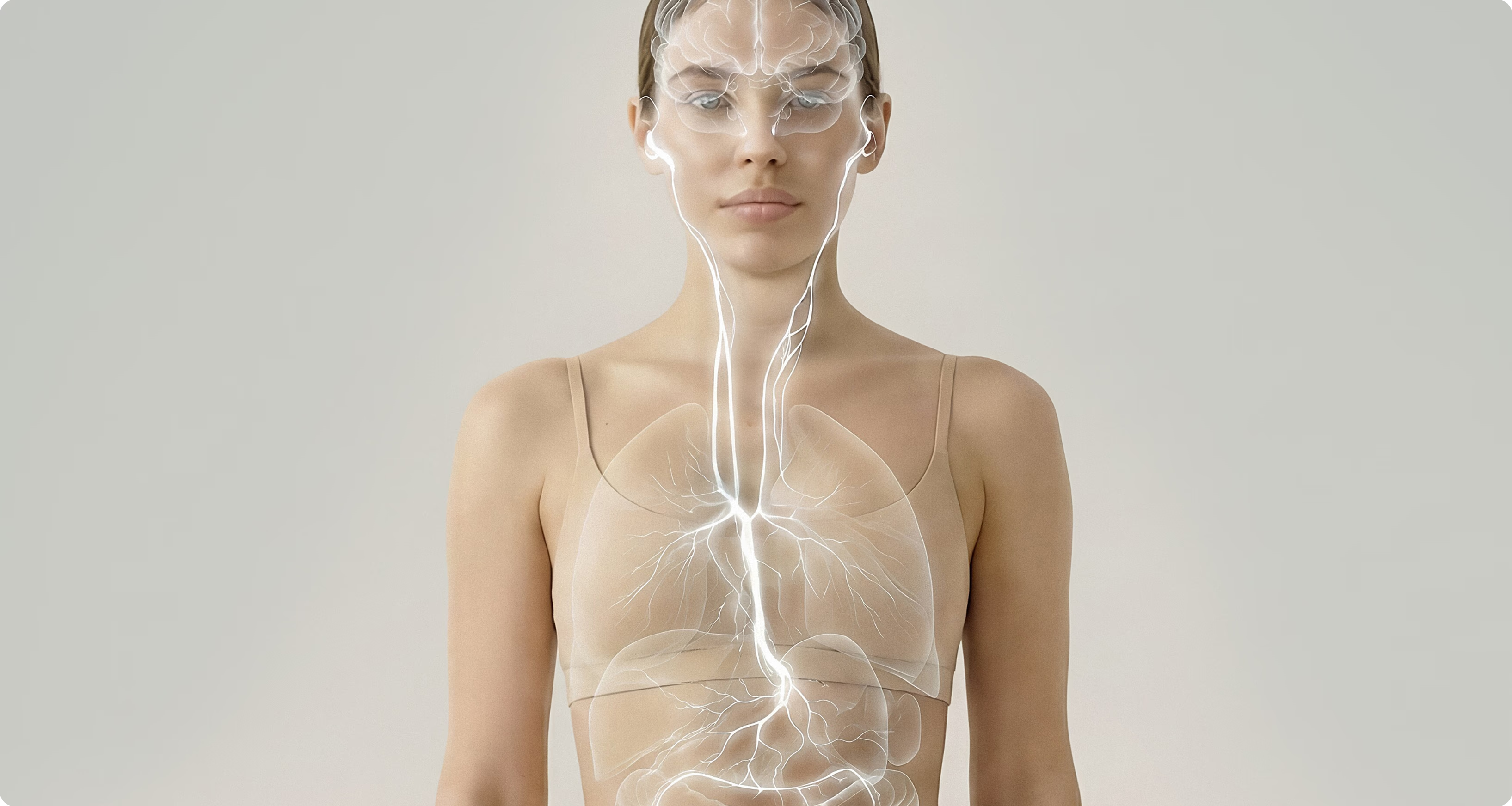
There are actually two vagus nerves-a left and a right-emarging from the brain stem and travelling down on both sides of the body. The vagus nerves are the longest cranial nerves in the body. They run from the brainstem down through the neck and chest, reaching many of the body’s most important organs.
Through this extensive network, the vagus nerves help regulate:
In short, the vagus nerve helps the brain coordinate how the body feels, functions, and heals.
Why vagal balance matters
When vagal signaling is strong and responsive, the body can smoothly shift between activity and rest. This flexibility—often referred to as autonomic balance—is essential for long-term health.
When vagal activity is reduced or disrupted, the body may remain stuck in a heightened stress state. Over time, this can affect sleep, digestion, mood, pain sensitivity, and immune regulation, making recovery more difficult.
Supporting the body’s natural regulation
Research over the past decades has shown that electrical stimulation of the vagus nerve can be used to enhance vagal activity and help normalize dysregulated signaling. By gently activating this pathway, it may be possible to support the body’s own regulatory systems—rather than overriding them.
This insight forms the foundation of bioelectronic medicine, a growing field that focuses on restoring balance by targeting neural circuits instead of relying solely on pharmaceuticals.