

Acute inflammation as a natural healing response
When you injure yourself or catch an infection, your immune system activates inflammation to protect and repair the body. Immune cells rush to the affected area, increasing blood flow and releasing signaling molecules that help fight threats and start healing.
This acute inflammation is usually short-lived and purposeful. Common signs include:
- Pain or tenderness
- Swelling
- Redness
- Heat
- Temporary impaired function
Once the job is done, the body is meant to switch inflammation off again.
When inflammation doesn’t turn off
Problems arise when inflammation becomes chronic—or when an acute response is too strong or lasts too long. Instead of supporting healing, persistent inflammation can begin to damage tissues, disrupt normal function, and contribute to ongoing pain and disease.
Chronic inflammation is involved in conditions such as:
- Autoimmune diseases
- Chronic pain disorders
- Inflammatory bowel disease
- Long COVID
- Cardiovascular diseases
- Metabolic syndrome
- Obesity
- Neurodegenerative diseases
While many anti-inflammatory drugs exist, they often come with side effects and are not effective for everyone. This leaves many people searching for safer, longer-term solutions.
A breakthrough insight: the brain controls inflammation
For a long time, scientists believed the immune system operated independently from the brain. That view changed around 25 years ago.
Groundbreaking research published in Nature revealed that the nervous system actively regulates inflammation—just like it regulates heart rate, breathing, and digestion. This discovery showed that the brain can sense inflammation and send signals to calm it down.
At the center of this regulation is the vagus nerve, the main communication pathway between the brain and the body’s organs.
The inflammatory reflex — the body’s built-in brake
This brain-to-immune control system is known as the inflammatory reflex. When functioning properly, it helps:
- Detect excessive immune activity
- Reduce the release of inflammatory molecules
- Restore balance after injury or stress
When this reflex is impaired, inflammation may persist longer than necessary—contributing to chronic pain and chronic disease.
A new approach: supporting the body’s own regulation
Modern bioelectronic medicine is built on this insight. Instead of blocking inflammation with drugs, researchers are exploring ways to support the body’s natural regulatory systems.
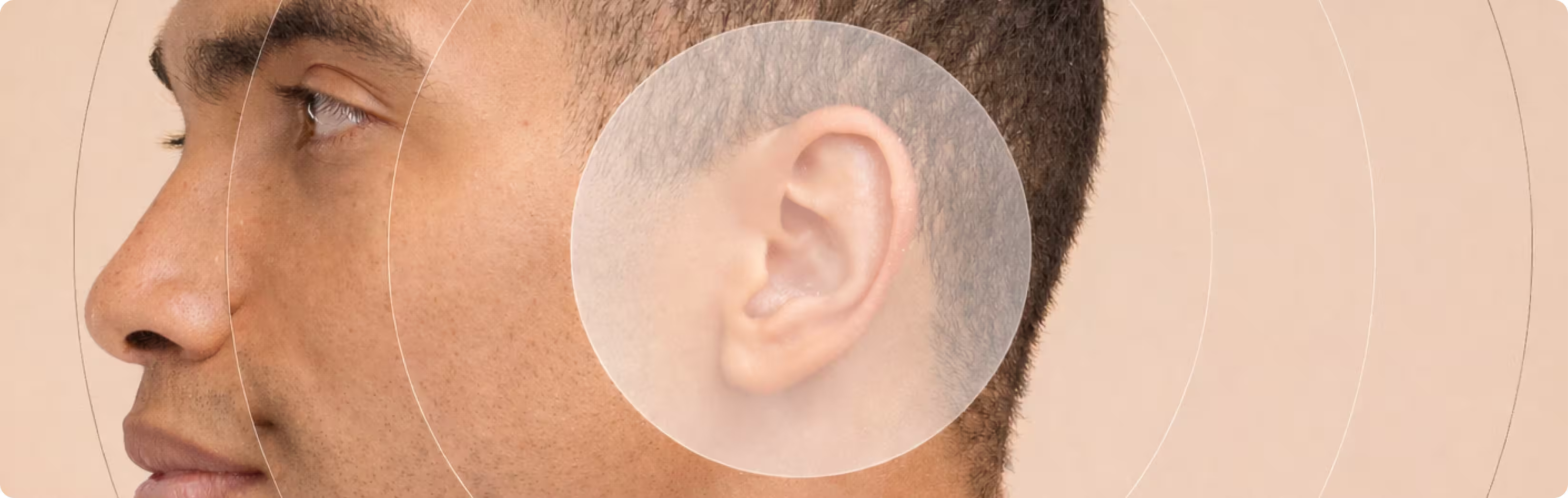
One approach involves non-invasive stimulation of sensory branches of the vagus nerve through specific areas of the outer ear. By gently activating this pathway, it may be possible to engage the inflammatory reflex and help the body rebalance immune activity—without systemic medication.
This science forms the foundation of ongoing research into drug-free, non-invasive approaches for inflammation and pain.
Inflammation isn’t the enemy. Loss of balance is.
Understanding how the brain and immune system work together opens the door to a new generation of evidence-based health solutions—designed to restore regulation, not override it.